- Home
- About us
- Products
- Faqs
- Enterprise FAQ
- Product FAQ
- Service FAQ
- Custom FAQ
- Production, Craftsmanship & QC
- Pricing & Payment Terms
- Logistics, Lead Time & Supply Chain
- Brand Collaboration & Case Study
- Small Batch & Flexible Production
- Collection FAQ
- Knowledge FAQ--Hybrid Training Wear
- Knowledge FAQ--Training Shorts Collection
- HUCAI activewear Homepage FAQ
- News
- Certificate
- Contact us
How Premium Activewear Brands Plan SS26 Collections: Choosing the Right OEM / ODM Manufacturer
publishersunny
time2025/12/16
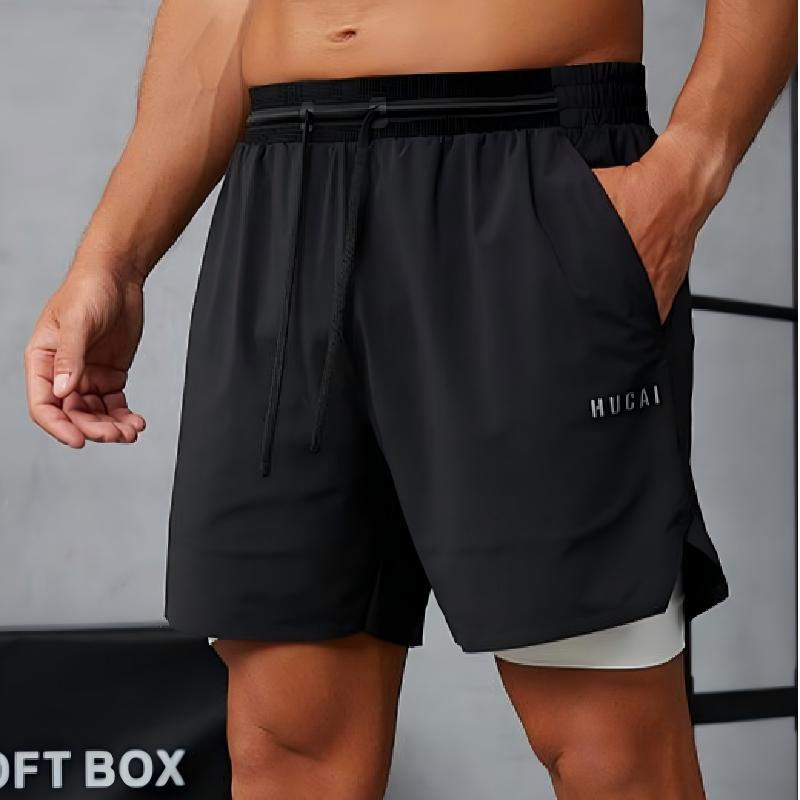
- An SS26 activewear collection planning guide explaining how premium brands structure core and innovation styles and select OEM/ODM partners to reduce development risk.
SS26 Collection Planning Is No Longer About “More Styles”
Across European and US premium activewear brands, SS26 collection planning has shifted away from quantity-driven launches.
Rather than introducing as many new styles as possible, brands are focusing on controlled SKU structures, where commercially proven styles form the foundation of the collection, supported by a limited number of innovation-led designs.
This approach reflects a more disciplined balance between market testing, inventory control, and margin protection.
Core Styles vs Innovation Styles in SS26 Collections
When structuring SS26 assortments, brands typically separate products into two functional groups.
1.Core Commercial Styles
These styles are designed for repeatability and scale. They rely on stable fabric platforms, consistent pattern blocks, and predictable cost structures to support long-term reorders.
2.Innovation-Driven Styles
These designs introduce new silhouettes, constructions, or fabric applications. Their role is to test new ideas and refresh the collection without disrupting overall production stability.
At this stage, brands increasingly work with partners who understand collection structure, not just individual garment execution.
What Brands Look for in an OEM / ODM Partner During SS26 Planning
As SS26 collections take shape, partner selection becomes less about factory capacity and more about development capability.
Key expectations include:
-Guidance on which silhouettes are suitable for repeat orders.
-The ability to align multiple styles under shared fabric platforms.
-Pattern systems that allow scalability across different SKUs.
Partners who understand these dynamics help brands avoid fragmented assortments and unnecessary complexity.
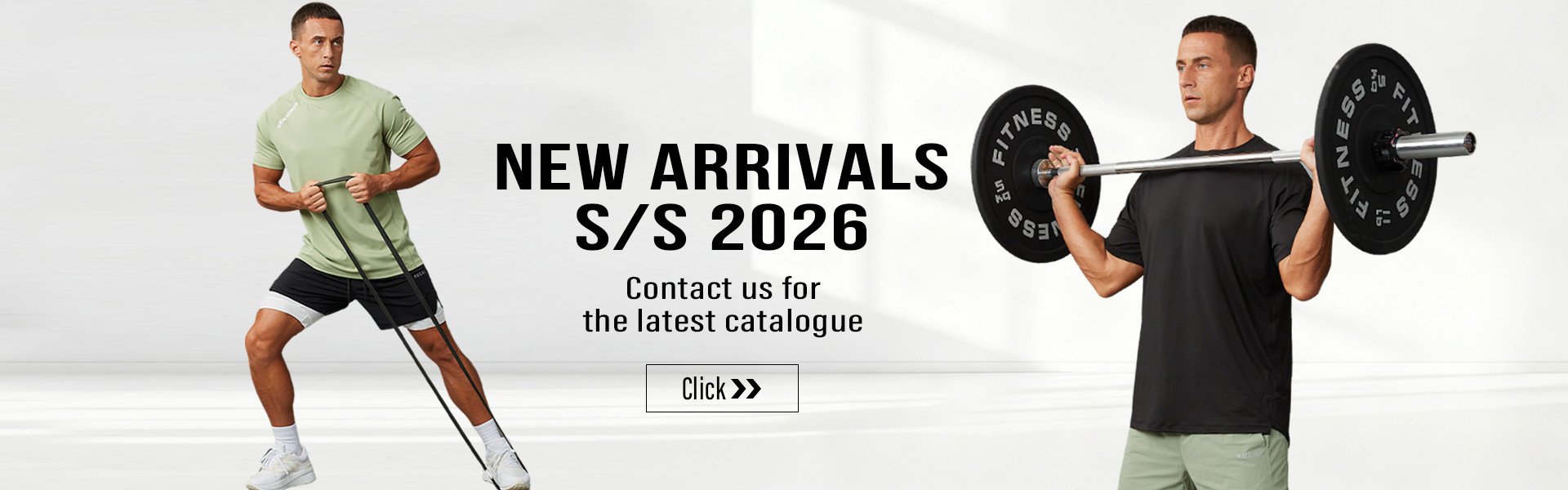
👉ODM Support | Request SS26 Samples & Fabric Options.
The Role of ODM Support in Reducing Development Risk
ODM capability plays a critical role in controlling SS26 development risk.
Early-stage support often includes reference styles, construction recommendations, and cost–performance comparisons. These inputs help identify potential issues before they appear at later sampling or bulk stages.
This early validation reduces the likelihood of late-stage redesigns caused by unstable constructions, unrealistic cost targets, or mismatched fabric choices.
Why Early Partner Involvement Matters in SS26 Planning
Premium brands increasingly involve manufacturing partners early in SS26 planning—not just for sampling, but for collection-level input.
This collaboration improves development efficiency, protects margins, and results in collections that are both market-ready and production-secure.
Successful SS26 collections are rarely the result of isolated design decisions.
They are built through structured planning, controlled innovation, and early alignment with capable OEM / ODM partners.
Choosing the right partner at the planning stage allows brands to move faster, reduce risk, and maintain consistency across the entire SS26 assortment.
HUCAI supports premium activewear brands with OEM & ODM manufacturing services, combining structured product development, performance fabric sourcing, and scalable production systems.
We work closely with brands throughout SS26 planning to ensure collections are efficient, stable, and commercially viable.
🌐 Official Website:https://..........com.